A lot of Long Island homeowners reach a point where the bathtub in their main bathroom has not been used in years. The kids are grown, nobody takes baths, and that tub is just eating up floor space. Converting it to a walk-in shower is one of the most popular bathroom remodels we do at Milton's Construction — and for good reason. But before you pull the trigger, there are a few things worth thinking through.
Why Homeowners Convert
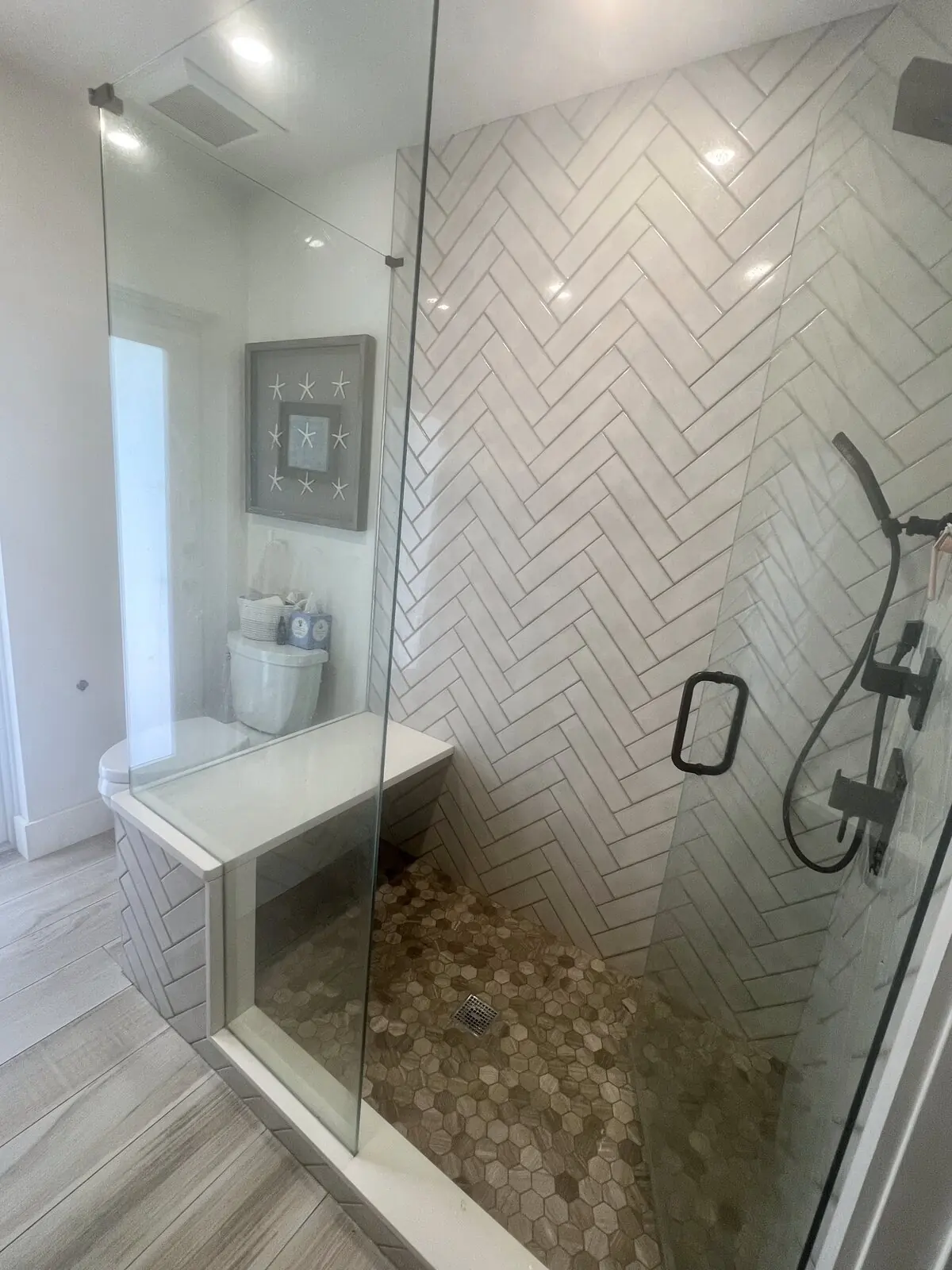
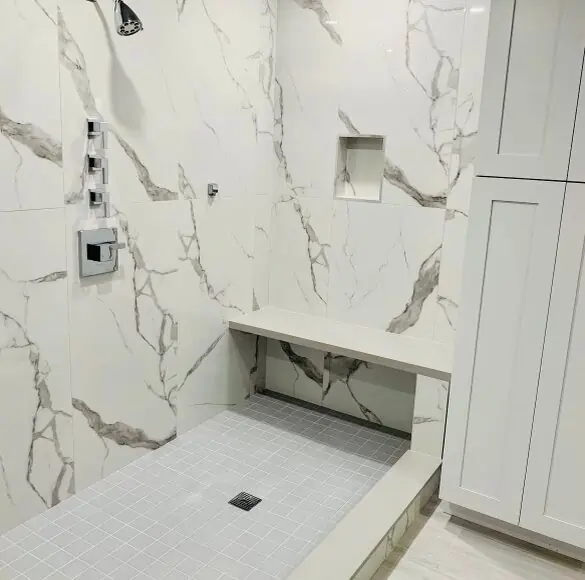
The most common reason is simple: lifestyle. If you shower every day and rarely or never fill a tub, reclaiming that square footage for a larger, more comfortable shower just makes sense. A well-designed walk-in shower with a built-in bench, multiple showerheads, and a niche for your products can turn a basic bathroom routine into something you actually look forward to.
Accessibility is another big driver. Long Island has a large and growing population of homeowners who want to stay in their homes as they get older. A curbless or low-threshold shower is significantly easier to step into than a tub — and with the right layout and grab bars, it can serve you safely for decades.
What Does a Tub-to-Shower Conversion Cost on Long Island?
Costs vary based on the size of the space, the materials you choose, and how much of the surrounding tile or plumbing needs to be replaced. For a straightforward conversion using mid-range materials, most Long Island homeowners should expect to budget somewhere in the range of $4,500 to $9,000. More elaborate projects — custom tile work, frameless glass enclosures, linear drains, or structural modifications — can run from $10,000 to $18,000 or more.
Those are general ranges. The only way to get an accurate number for your specific bathroom is a written estimate based on an actual look at the space. We offer free on-site estimates — call or text us at 631-741-0199 and we can set that up.
Walk-In vs. Curbless Showers
A walk-in shower typically has a low curb — maybe two or three inches — that contains the water while still being easy to step over. A curbless shower, sometimes called a zero-entry shower, eliminates that lip entirely. The floor is pitched toward a drain and there is no barrier between the bathroom floor and the shower floor.
Curbless designs look clean and modern, and they are the right call for aging-in-place projects. The tradeoff is that they require more precise floor preparation and waterproofing to prevent water from wandering where it should not go. Done correctly, they work beautifully. Done sloppily, you end up with water damage under the floor. This is not a project to cut corners on.
Waterproofing: The Step That Cannot Be Skipped
Regardless of the style of shower you choose, waterproofing is the most important part of the job. The tile itself does not keep water out — the membrane behind the tile does. At Milton's Construction, we use a combination of cement board substrate and either liquid-applied or sheet waterproofing membranes depending on the layout. Every seam, every corner, every penetration gets treated.
If a contractor is quoting you a very low price and glossing over waterproofing, that is a red flag. We have torn apart showers that were only a few years old because the previous contractor skipped this step. Water damage in walls and subfloors is expensive to fix and creates mold problems. Do it right once.
Resale Considerations: Keep at Least One Tub
Here is the one piece of advice we give every homeowner thinking about this conversion: make sure you keep at least one bathtub somewhere in the house. If you have a two-bathroom home and you convert the tub in both bathrooms to showers, you will likely hurt your resale value. Buyers with young children expect a tub. Real estate agents and appraisers consistently note that a home with no bathtub at all is harder to sell and may appraise lower.
If you have two bathrooms, the smart move is usually to convert the tub in the primary bathroom — the one you use every day — and leave the tub in the second or guest bathroom alone. That way you get the shower you want without giving up anything for resale.
If you only have one bathroom, the calculus is more complicated and really depends on your plans for the home. That is a conversation worth having before the demo crew shows up.
The Conversion Process, Step by Step
- Demo: The existing tub, surround, and any damaged tile or drywall are removed. This is also when we assess the subfloor and framing for any pre-existing water damage.
- Plumbing adjustments: The drain location may need to move, and the valve and showerhead positions are set. If you're adding a hand shower or a second showerhead, the rough-in happens here.
- Substrate and waterproofing: Cement board goes in, seams are taped, and the waterproofing membrane is applied. We do not rush this stage.
- Tile installation: Floor tile, wall tile, and any niches or shelving are installed and grouted.
- Fixtures and glass: The showerhead, valve trim, drain cover, and glass enclosure or curtain rod are installed and sealed.
- Final inspection: We walk the project with you before we consider it done.
If you're ready to stop looking at a tub you never use and start enjoying a shower you actually love, Milton's Construction is ready to help. We've been remodeling bathrooms on Long Island for four decades. Reach out through our contact page or call and text us directly at 631-741-0199 to schedule your free written estimate.

Founder of Milton's Construction. Four decades building and remodeling homes across Long Island. More about us →