A full second-story addition on Long Island typically costs $200,000–$500,000+, or roughly $200–$350 per square foot. The price depends on whether your existing foundation and first-floor framing can carry the new load, plus a new staircase, roof, and matching the exterior.
- Full second story: ~$200,000–$500,000+ ($200–$350/sq ft)
- Engineering the existing structure to carry the load is key
- You temporarily lose your roof — weather-tightening fast matters
- Adds the most living space without buying more land
Adding a second story to your Long Island home is one of the most effective ways to double your living space without sacrificing yard or lot coverage. It is also a significant investment — and on Long Island, where labor costs, permit requirements, and older housing stock all factor in, homeowners deserve straight answers before they commit. This post covers realistic cost ranges, what drives them, how the local permitting process works, and what to expect at each stage of construction.
What Does a Second-Story Addition Cost on Long Island?
For most Long Island projects, a full second-story addition runs between $150,000 and $350,000, with some larger or more complex jobs exceeding that range. A partial second-story addition — adding square footage over a garage or wing rather than the full footprint — typically falls between $90,000 and $180,000.
These are real-world ranges based on current labor and material costs in Nassau and Suffolk counties. The final number depends heavily on a set of project-specific factors:
- Scope: Full second floor over the entire footprint vs. a partial addition over one section of the home
- Existing structure: Whether the current first-floor framing, foundation, and load-bearing walls can support the added weight — older ranch homes in West Babylon and the surrounding communities often need structural upgrades before the framing even begins
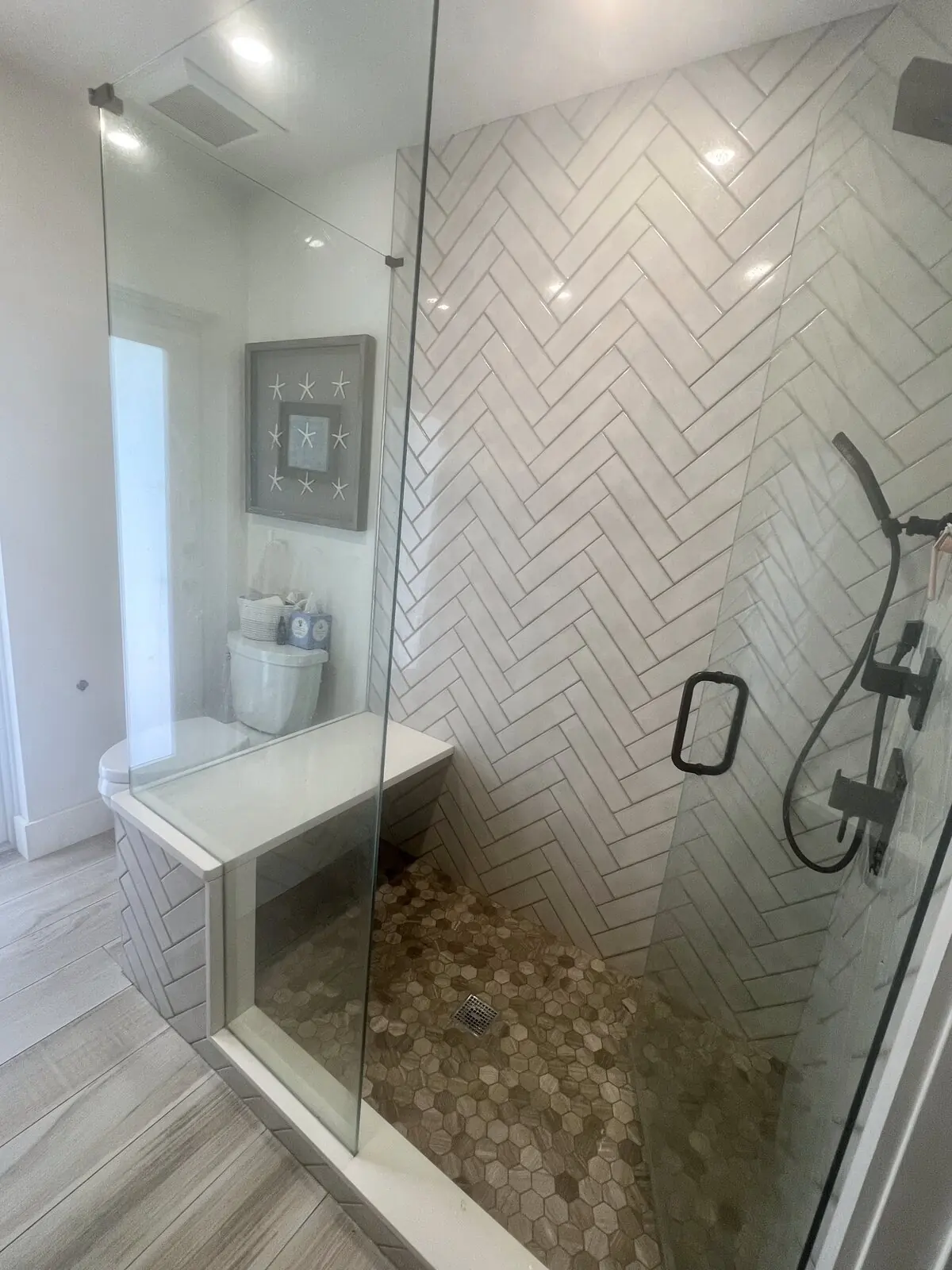
- Bedroom and bathroom count: Each full bathroom adds $15,000–$30,000 or more, including rough plumbing, tile, fixtures, and finishes; licensed plumbing work on Long Island requires permits and licensed contractors by code
- Roofline complexity: A simple gable roof costs less than a hip or mansard; matching an existing roofline takes more labor
- Mechanical systems: Extending HVAC, electrical service, and ductwork to a new floor adds cost; many homeowners take this opportunity to install a ductless mini-split system through our MRCOOL HVAC program, which avoids costly duct runs entirely
- Finishes: Builder-grade finishes vs. custom millwork, hardwood floors, or high-end tile are the biggest variable in the upper range of any budget
Always get a line-item estimate before signing anything. A reputable contractor will walk the job, review your existing structure, and give you a written scope — not a ballpark over the phone.
Long Island Permit Requirements
Every second-story addition in Nassau and Suffolk counties requires a building permit from your local municipality. This is not optional, and skipping it creates serious problems at resale. The permit process typically involves:
- Submission of architectural drawings (site plan, floor plans, elevations, structural details) stamped by a licensed New York architect or engineer
- Plan review by the building department — timelines vary by town, ranging from a few weeks in some Suffolk County towns to several months in others
- Inspections at multiple stages: framing, rough mechanical, insulation, and final certificate of occupancy
- Zoning review to confirm the addition meets setback, height, and FAR (floor area ratio) requirements for your specific parcel
Our architecture and design team handles drawings and permit submissions in-house, which streamlines the process and eliminates the gap between design and construction that slows most jobs down. We are licensed and insured for this work across Long Island, including all of Suffolk County.
The Construction Process: Stage by Stage
Phase 1: Design and Engineering (4–8 weeks)
Before a permit application goes in, the project needs a complete set of construction documents. We assess the existing foundation and first-floor framing, confirm load paths, and design the addition to tie into the existing structure properly. Structural engineering is typically included in this phase.
Phase 2: Permitting (4–16 weeks)
Timeline depends on the municipality. Some towns move quickly; others have backlogs. We submit and track the application and handle any plan examiner comments. This phase runs in parallel with material procurement where possible to avoid dead time.
Phase 3: Structural Prep and Roof Removal (1–2 weeks)
The existing roof is removed and the first-floor structure is reinforced where necessary. This is the most disruptive phase for the family living in the home. Temporary weatherproofing is installed to keep the house protected while the addition is framed. If you are combining this project with a full renovation of the first floor — kitchen or bathroom remodeling, for example — this is a logical time to rough in those changes as well.
Phase 4: Framing (2–4 weeks)
Wall framing, floor system, and roof framing go up. At the end of this phase, the addition is weathertight: sheathing, housewrap, and roof covering are on. This phase moves quickly and is when the project starts to look like something.
Phase 5: Rough Mechanicals (2–3 weeks)
Electrical, plumbing, and HVAC rough-ins happen before insulation and drywall close the walls. Inspections are required at this stage. If the project includes a full home addition with multiple rooms, mechanical coordination is critical to get right before anything gets closed in.
Phase 6: Insulation, Drywall, and Finishes (4–8 weeks)
Insulation goes in — spray foam at the rim joist and batts in the walls and ceiling are standard for Long Island's climate — followed by drywall, taping, priming, painting, flooring, trim, and fixture installation. Finish quality and material lead times drive the variance in this phase.
Phase 7: Final Inspection and Certificate of Occupancy
The building department conducts a final inspection. Once it passes, the certificate of occupancy is issued and the addition is legally habitable. Do not skip this step — a CO is required for the space to be counted in your home's legal square footage and for homeowner's insurance to cover it properly.
Is Your Home a Candidate?
Ranch homes — the dominant housing type in West Babylon, Lindenhurst, Deer Park, Babylon Village, and much of West Babylon — are often good candidates for a second-story addition precisely because they sit on a full footprint with no existing upper floor to work around. The key question is always the foundation and first-floor framing. A pre-construction structural assessment tells you what needs to be reinforced and what the project will realistically cost before any money changes hands.
If a full second story exceeds budget, partial additions over a garage or rear wing, or a modular home replacement on the existing lot, are alternatives worth exploring. Financing is also available through our partner Enhancify — a soft credit check that does not affect your score; see financing options for details.
Get a Free Estimate
Milton's Construction has been building on Long Island for 40 years. We handle second-story additions from design through the certificate of occupancy — architecture, permits, structural work, framing, mechanicals, and finishes — under one roof. To find out what a second-story addition would cost and what it takes on your specific property, contact us for a free estimate or call us directly at (631) 741-0199. There is no obligation, and we will give you straight answers based on what we actually see.

Founder of Milton's Construction. Four decades building and remodeling homes across Long Island. More about us →