Yes, you can get a mortgage on a modular home — and in most cases it works almost exactly like financing a traditional site-built house. The confusion usually comes from mixing up modular homes with manufactured (HUD-code) homes, which are a different product with different financing rules. Once lenders and appraisers understand what a modular home actually is, the path to financing becomes straightforward. Here is what Long Island and Tri-State homeowners need to know before they start the process.
Modular vs. Manufactured: Why the Distinction Matters to Lenders
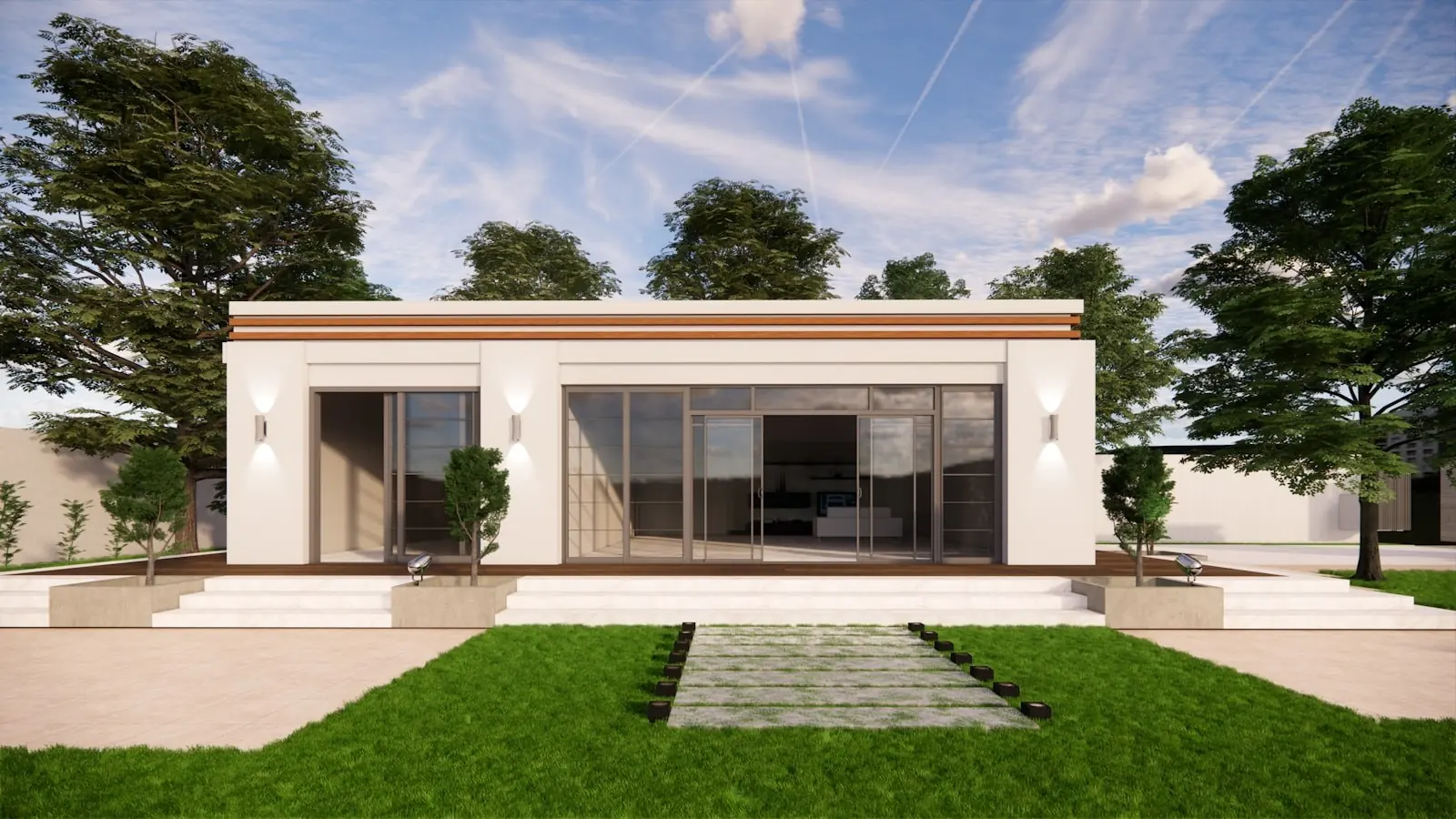
A modular home is built in sections inside a climate-controlled factory, transported to your lot, and permanently set on a foundation — just like a stick-built house. It must meet the same state and local building codes as any other home in your town. Once it is on the foundation, it is legally and structurally indistinguishable from a conventionally built house.
A manufactured home (sometimes called a mobile home) is built to federal HUD standards and may sit on a non-permanent chassis. Lenders treat it differently because title can remain with the vehicle rather than the land.
Because modular homes are titled as real property and appraised using the same comparable-sales method as any other house, conventional lenders, FHA, VA, and USDA programs all apply. If you are exploring the modular homes path with Milton's Construction, you are working with a product that the mortgage market is fully equipped to handle.
Loan Options Available for Modular Homes
Conventional Loans
Fannie Mae and Freddie Mac both purchase modular home loans, which means any lender originating conforming loans can offer them. Expect the same down payment requirements — typically 5 to 20 percent — and the same credit score thresholds (generally 620 or above for conventional, though better rates come with scores above 740). On Long Island, where median home prices run well above the national average, conforming loan limits for 2024 reach $1,149,825 in Nassau and Suffolk Counties under the high-cost area designation, giving buyers significant headroom.
FHA Loans
FHA financing is available with as little as 3.5 percent down and is often the first choice for buyers with credit scores in the 580-to-620 range. The modular home must be permanently affixed to a foundation and classified as real property. FHA also requires the foundation to meet HUD Permanent Foundations Guide standards — something worth confirming early with your builder and appraiser.
VA and USDA Loans
Eligible veterans can use VA financing on modular homes under the same terms as site-built construction. USDA rural development loans are less common in the dense Long Island market but may apply in parts of eastern Suffolk County that meet USDA's rural designation criteria.
Construction-to-Permanent Loans
Because the home does not exist until it is built and set, most modular purchases use a construction-to-permanent loan (also called a one-time close or OTC loan). You borrow during the construction and delivery phase, then the loan automatically converts to a 30-year mortgage at completion. This avoids a second closing and second set of closing costs. Some buyers use a stand-alone construction loan and then refinance — that works too, but it costs more and adds complexity.
The Modular Mortgage Timeline on Long Island
The overall process typically runs 6 to 12 months from contract signing to move-in, broken down roughly as follows:
- Design and permits (8 to 16 weeks): New York requires full building permits for modular construction. In Nassau and Suffolk Counties, permit review times vary by municipality — some towns turn around approvals in six weeks; others take four months. Working with a builder that offers in-house architecture and design services can shorten this phase considerably because the drawings arrive code-ready.
- Factory production (8 to 14 weeks): Once permits are in hand and your loan is approved, the factory schedules your modules. Lead times shift with demand, so locking your financing and permits before the factory start date matters.
- Site work and foundation (4 to 8 weeks, often running parallel): While the factory builds, your contractor prepares the lot — excavation, foundation, utilities rough-in, and any demolition of an existing structure if needed. Milton's Construction handles site work directly, which keeps scheduling coordination in one place.
- Set and finish (4 to 8 weeks): Modules are craned onto the foundation, married together, and finished — roofing, siding, interior trim, mechanical connections. Final inspections follow, then the certificate of occupancy triggers the permanent mortgage conversion.
What Lenders Look at Beyond Credit and Down Payment
A few items come up repeatedly in modular home underwriting that do not always appear on the checklist for a resale purchase:
- Appraiser familiarity: The appraiser must use comparable sales of similar modular or site-built homes. In established Long Island neighborhoods where modular homes have been placed for decades, comps are generally available. Make sure your lender assigns an appraiser with local experience.
- Builder credentials: Lenders want to see that the contractor is licensed and insured. Milton's Construction has been licensed and insured for 40 years — documentation is straightforward.
- Land ownership or simultaneous purchase: If you are buying the lot and the home together, underwriting becomes a single transaction. If you already own land, the equity in that lot can sometimes count toward your down payment requirement.
- Draw schedule: Construction lenders release funds in draws tied to completion milestones. Your builder needs to be comfortable with that structure and have the cash flow to work within it.
What Does a Modular Home Actually Cost on Long Island?
Modular homes in the region typically run $150 to $250 per square foot for the module itself, with site work, foundation, utility connections, permits, and finish work adding another $80 to $150 per square foot depending on lot conditions and finish level. A 2,000-square-foot home with a full basement and mid-grade finishes might total $450,000 to $700,000 all-in — well below what comparable new construction would cost in most Long Island towns, and often 20 to 30 percent less than stick-built. Financing is available for the full project cost under a construction-to-permanent structure.
Milton's Construction works with Enhancify for client financing options. You can check your rate with no impact to your credit score as an early step, before you have committed to any specific design or budget.
Local Considerations: Suffolk and Nassau Counties
Long Island's housing stock is dominated by postwar Cape Cods and ranches — exactly the style profiles that translate well to modular construction. Whether you are in West Babylon, further east in Suffolk County, or anywhere across Long Island, the permit and zoning process is local, and experience with specific town building departments matters. Milton's Construction has operated on Long Island for four decades and has navigated permitting across the region's many municipalities — that institutional knowledge reduces surprises during the approval phase.
If you are replacing a home that was damaged or is beyond repair, a modular approach paired with frame-to-finish site work can move faster than a fully custom build while delivering a code-compliant, permanent structure that a conventional lender will treat exactly like any other house on the block.
Ready to run the numbers on a modular home for your lot? Call Milton's Construction at (631) 741-0199 or request a free estimate online. We will walk through your site, budget, and timeline — and connect you with financing options that make the project work.

Founder of Milton's Construction. Four decades building and remodeling homes across Long Island. More about us →