If you are planning a renovation or new construction project on Long Island, one of the first questions you need to answer is whether your project requires a building permit — and if so, which municipality issues it, what it costs, and how long the process will take. Skipping this step can result in stop-work orders, fines, forced demolition, and serious complications when you sell your home. This guide covers what Long Island homeowners need to know before breaking ground.
Why Building Permits Exist
Permits are not bureaucratic busywork. They ensure that construction meets the New York State Uniform Fire Prevention and Building Code and any locally adopted amendments. An inspector signs off at each stage — framing, rough electrical, rough plumbing, insulation, and final — which gives you documented proof that the work was done to code. That documentation matters to your homeowner's insurance carrier and to every buyer's attorney when you eventually sell. Unpermitted work that surfaces during a sale can collapse a deal or force you to retroactively permit and remediate the work at your own expense.
Which Municipality Issues Your Permit?
This is where Long Island gets complicated. Unlike most of the country, Nassau and Suffolk Counties are divided into hundreds of incorporated villages, towns, and cities, each with its own building department. If you live in an incorporated village — Amityville, Babylon Village, Lindenhurst, and dozens of others — the village building department issues permits. If you live in an unincorporated hamlet, the town building department handles it. West Babylon, for example, falls under the Town of Babylon Building Division.
Always confirm your permit jurisdiction before applying. Your tax bill or the Suffolk or Nassau County parcel viewer can tell you exactly which municipality governs your address. Pulling a permit from the wrong department is a common and avoidable mistake.
What Work Requires a Permit on Long Island?
The short answer is: more than most homeowners assume. As a general rule, any work that involves structural changes, new habitable space, or changes to mechanical systems requires a permit. Common examples include:
- Kitchen remodels that involve moving walls, relocating plumbing, or upgrading electrical service — see kitchen remodeling
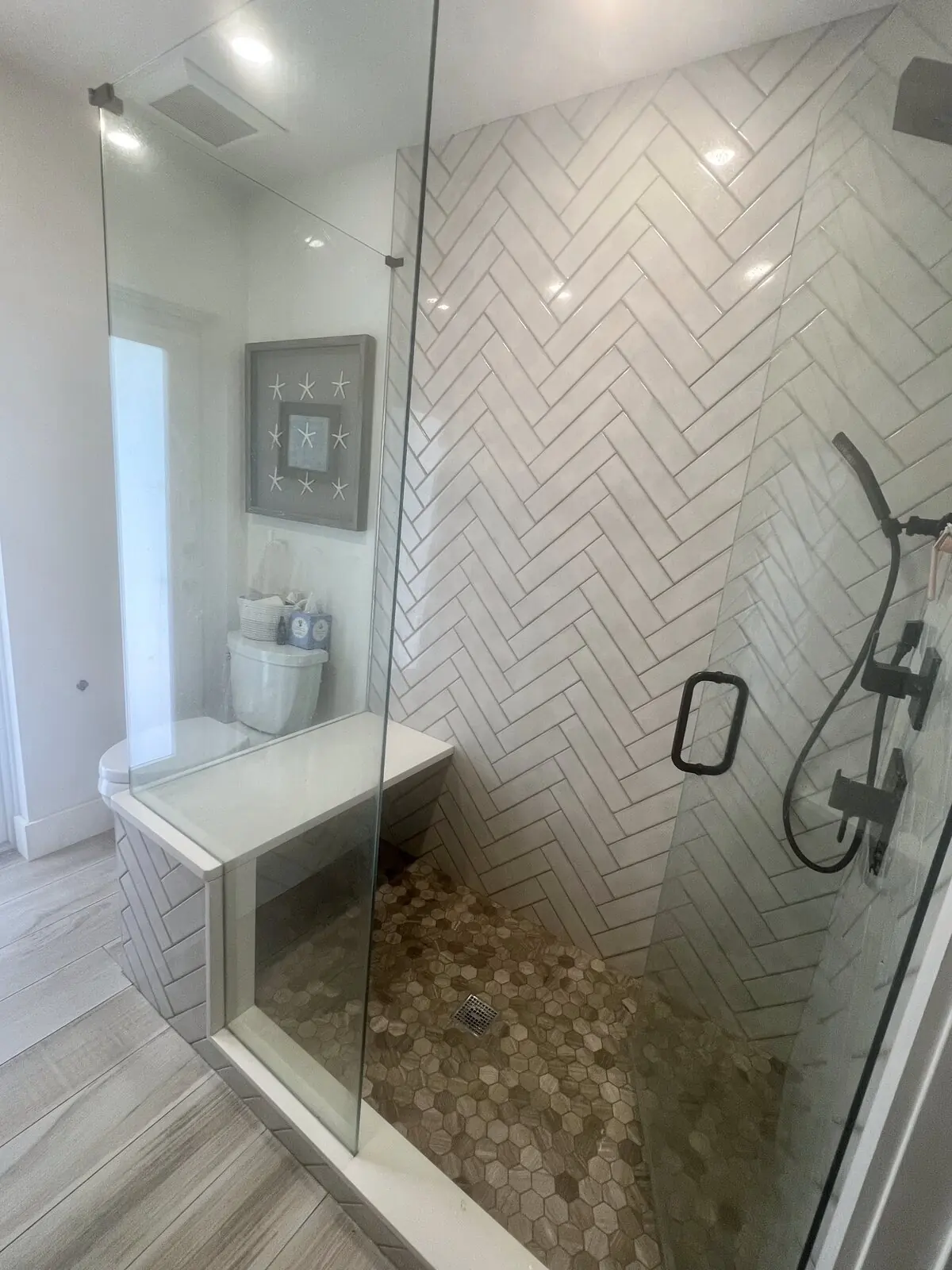
- Bathroom additions or gut renovations involving plumbing rough-in — see bathroom remodeling and licensed plumbing
- Home additions, second-story additions, sunrooms, and in-law apartments — see additions and extensions
- New residential or commercial construction from the ground up — see frame-to-finish construction
- HVAC installations, including ductless mini-split systems — see HVAC with Mr. Cool
- Modular home placement and site work — see custom modular homes
- Demolition of structures — see demolition services
- Decks, fences over a certain height, and detached garages or sheds above a threshold square footage
Work that typically does not require a permit includes cosmetic updates such as painting, flooring replacement, cabinet refacing, and fixture swaps (replacing a toilet with one of equal size in the same location, for example). When in doubt, call your building department directly — they will tell you over the phone in most cases.
Permit Costs and Timelines on Long Island
Permit fees vary by municipality and project valuation. For a mid-size residential addition or remodel in Suffolk County towns, expect permit fees in the range of $500 to $2,500 for most residential projects. Larger projects — new construction or significant additions — can run $3,000 to $8,000 or more depending on the assessed construction cost. Some villages charge a flat fee; others charge per square foot or as a percentage of project value. These are estimates; get the exact schedule from your local building department.
Timelines are equally variable. A routine residential permit in an uncongested building department might be approved in two to four weeks. In busier or more bureaucratic jurisdictions, plan for six to twelve weeks. Projects requiring variance approval from a Zoning Board of Appeals — common for additions that push setback limits on Long Island's compact lots — can add three to six months to the process. Starting that variance process early is one of the most valuable things an experienced contractor can do for you.
Surveys, Setbacks, and Flood Zones
Most Long Island permit applications require an up-to-date survey showing the existing footprint and the proposed construction relative to property lines. Setback requirements — the minimum distance a structure must sit from your property line — vary by zoning district and can be quite tight on older, smaller lots. South Shore communities in particular often fall within FEMA flood zones, which add a layer of review and may require elevation certificates and specific foundation designs. Any design-build process should account for these requirements from the first drawing.
How a Licensed Contractor Helps
Working with a licensed and insured contractor who regularly pulls permits in your municipality is one of the best ways to avoid delays. An experienced contractor knows which application forms a particular town requires, which inspectors expect what at each stage, and how to flag potential zoning issues before they become problems. They also carry the liability and workers' compensation insurance your municipality will require before a permit is issued under their license number. Unlicensed or out-of-area contractors who are unfamiliar with local code can leave you holding unpermitted work that you then have to resolve on your own.
Milton's Construction has been building and remodeling on Long Island for 40 years, serving homeowners across Suffolk County, West Babylon, Nassau County, and the broader Long Island region. We handle permit applications as part of every project and keep clients informed at every stage of the approval process. You can see examples of completed work in our project gallery.
Financing Your Permitted Project
A proper permitted renovation is an investment that adds real, documented value to your home. If upfront cost is a concern, Milton's Construction works with Enhancify to offer project financing with no impact to your credit score when you check your rate.
Ready to start the process? Contact Milton's Construction for a free estimate. Call us at (631) 741-0199 or use our online contact form to describe your project. We will walk you through what permits your specific scope will require, handle the applications, and keep the job moving from permit approval through final inspection.

Founder of Milton's Construction. Four decades building and remodeling homes across Long Island. More about us →