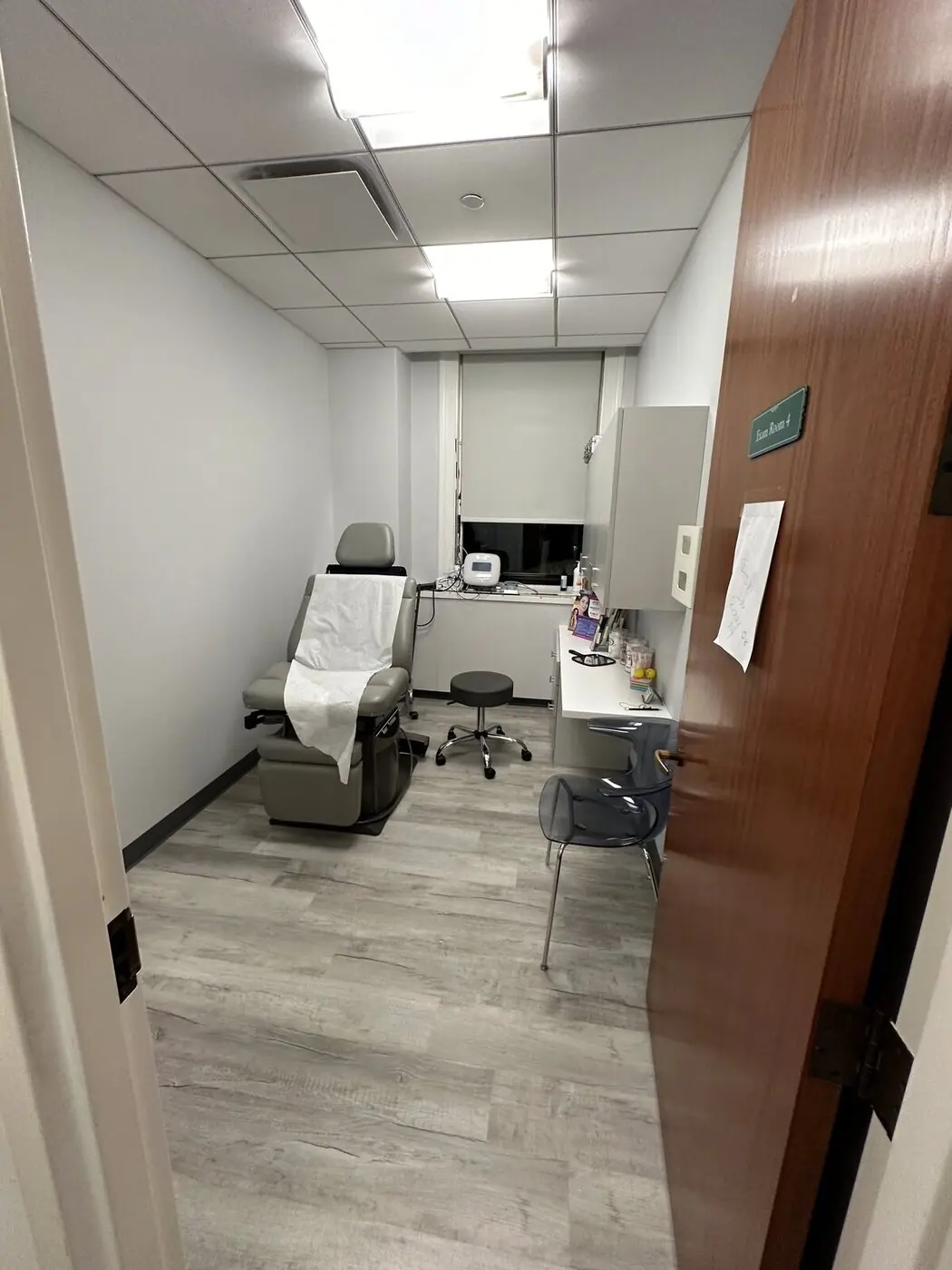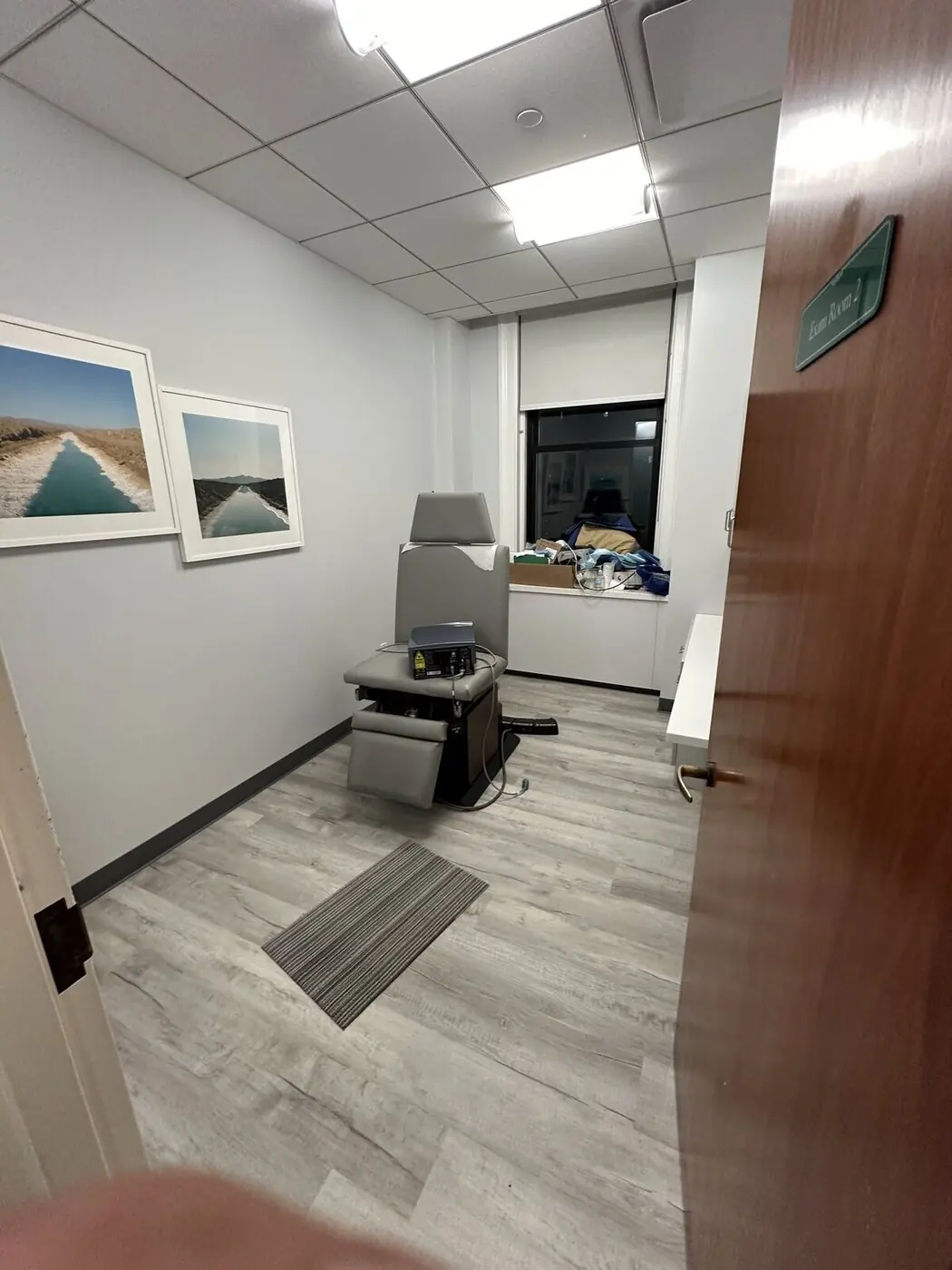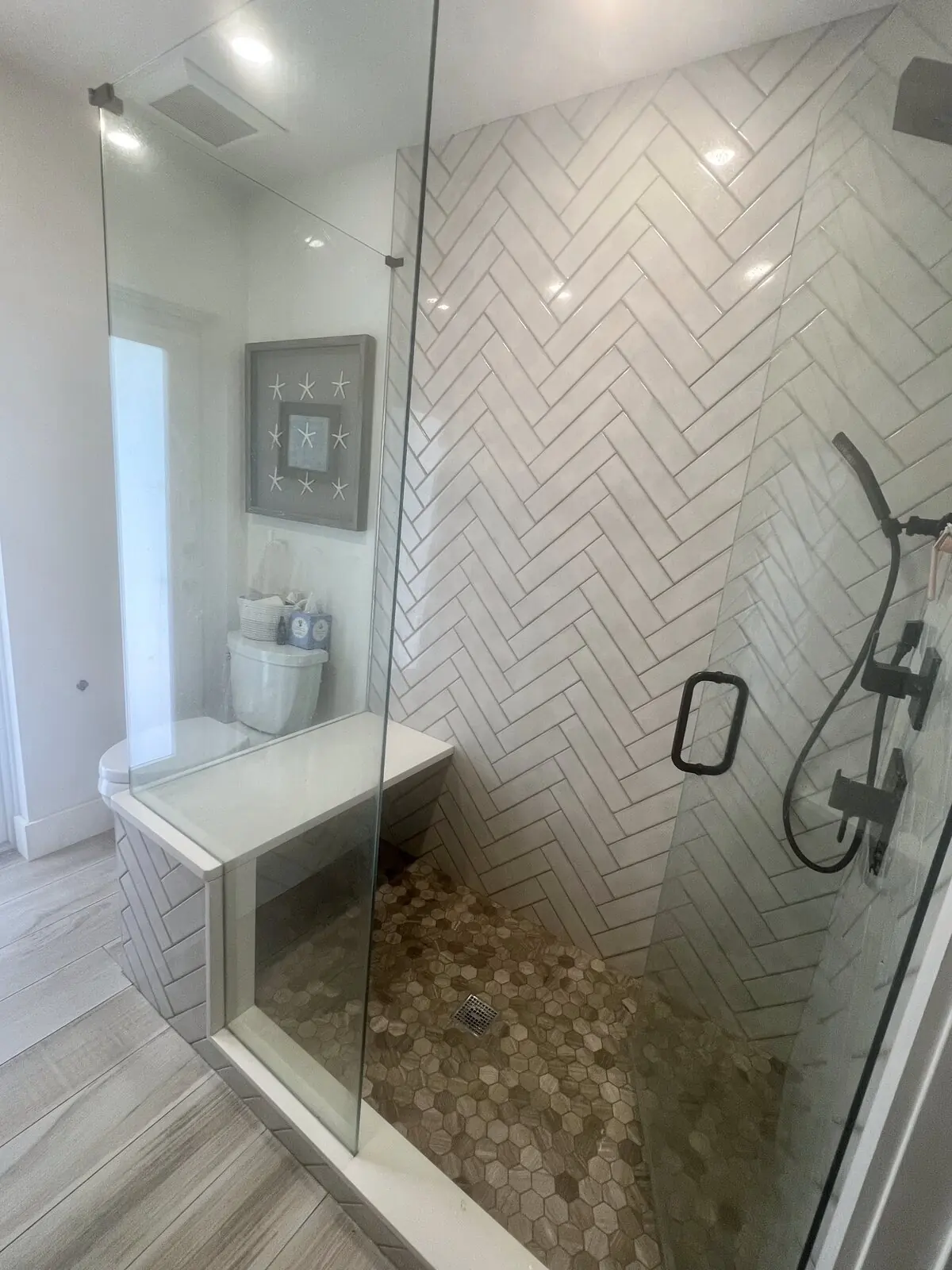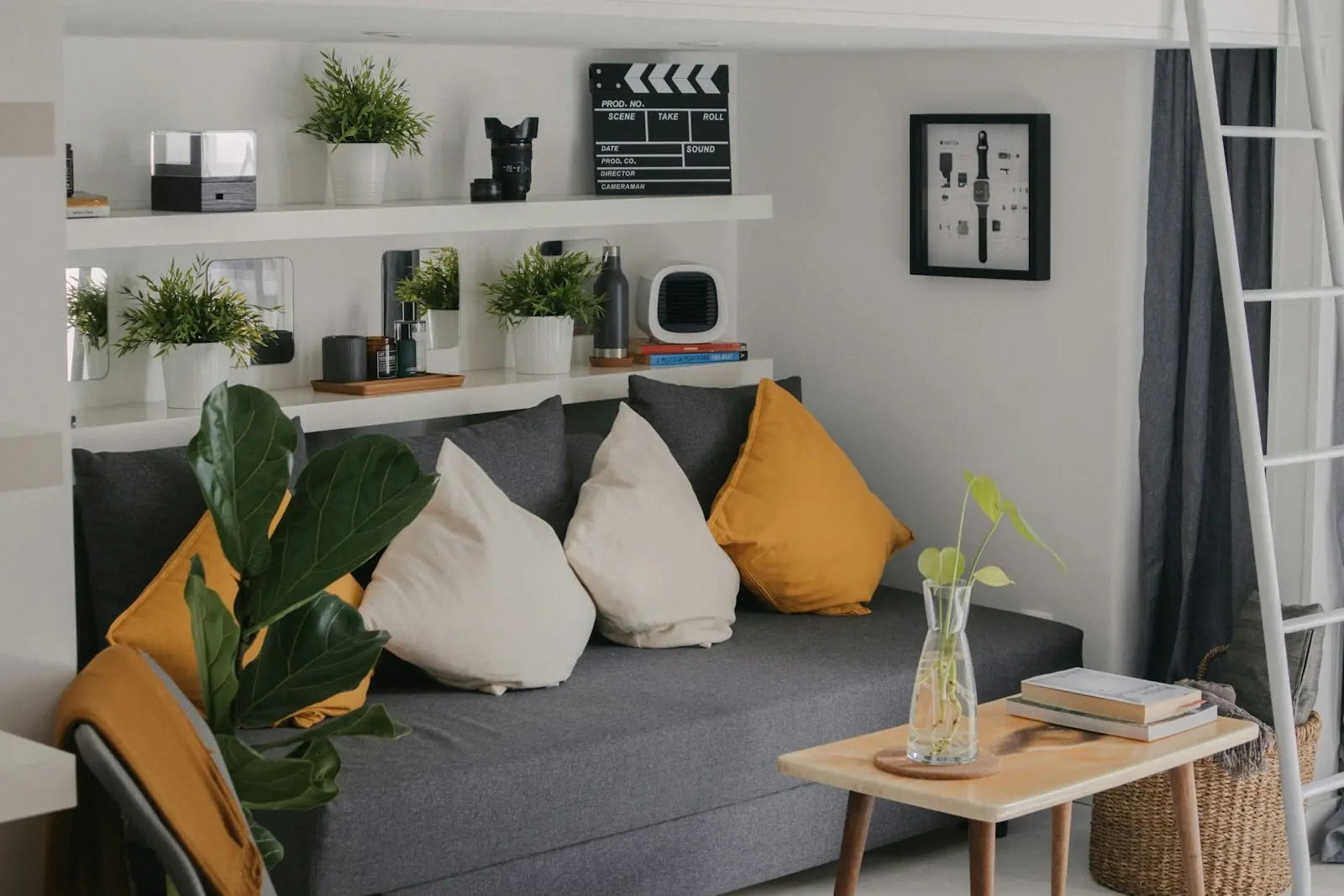
If you are sharing a home with aging parents, a college-age child who just returned, or a tenant whose rent offsets your mortgage, an in-law suite or accessory dwelling unit (ADU) may be the smartest investment you can make in your Long Island home. The demand is real, the zoning landscape has loosened in recent years, and — done right — these projects add measurable resale value while solving an immediate housing need. Here is what Long Island homeowners actually need to know before breaking ground.
What Is an ADU and What Counts as One in New York?
An accessory dwelling unit is a self-contained residential space on the same parcel as a primary residence. On Long Island that typically takes one of three forms:
- Attached in-law suite — a converted basement, garage, or main-floor addition with a private entrance, kitchen, bath, and bedroom sharing a wall with the main house.
- Interior conversion — carving out existing square footage (often an oversized first floor or finished basement) without expanding the building footprint.
- Detached cottage or carriage house — a separate structure on the lot, the least common option on Long Island given typical lot sizes in Nassau and Suffolk.
New York State passed ADU-friendly legislation in 2022, and many Long Island towns subsequently updated their codes to align. However, rules still vary by municipality. What is permitted in the Town of Babylon may differ from what is allowed in Hempstead or Islip. Always verify with your local building department before planning.
Zoning, Permits, and Local Approval — What to Expect
Long Island ADU projects almost universally require a building permit, and most municipalities impose additional requirements:
- Owner-occupancy — many towns require the primary homeowner to live on the property (not a pure rental investment).
- Minimum lot size — detached ADUs often require at least a 7,500 to 10,000 sq ft lot.
- Separate utility metering — some municipalities require independent electric and/or water service, which affects cost.
- Certificate of Occupancy — no ADU is legal to occupy without a CO; unpermitted units create serious liability and complicate home sales.
- Fire separation — attached suites must meet IRC fire-separation standards between the primary dwelling and the ADU.
Working with a contractor who knows Nassau and Suffolk County permit offices saves significant time. Milton's Construction's architecture and design team prepares the drawings and navigates the approval process as part of the build, so you are not managing two separate firms.
Realistic Cost Ranges for Long Island ADUs
Costs vary widely by scope, existing conditions, and finish level. These are honest 2024–2025 ranges based on Long Island labor and material markets:
- Basement conversion — $80,000 to $160,000. The structure already exists; costs are driven by egress windows, waterproofing, insulation, a full bath, a kitchenette, and separate HVAC.
- Garage conversion — $70,000 to $140,000. Requires insulating the structure, adding a proper subfloor, upgrading electrical, and — depending on the municipality — replacing the garage door opening with a wall and window or door.
- First-floor addition (attached) — $150,000 to $280,000. A full home addition with its own foundation section, exterior envelope, and systems is the most flexible but highest-investment option.
- Detached cottage (new construction) — $200,000 to $380,000+. Frame-to-finish new construction on a separate structure, where lot size and setbacks allow.
These figures include labor, materials, permits, and basic finishes but exclude land costs. Luxury finishes, significant site work, or utility trenching for a detached unit push numbers higher. Always request a detailed scope-of-work estimate — not a ballpark — before signing a contract.
Heating, Cooling, and Energy Efficiency
Comfort in a Long Island in-law suite is non-negotiable given winters that regularly dip below 20°F and humid summers. The most practical and cost-efficient solution for an ADU is a ductless mini-split heat pump, which handles both heating and cooling from a single system with no ductwork required.
As an authorized MRCOOL distributor and installer, Milton's Construction installs single-zone and multi-zone ductless systems purpose-built for in-law suites and additions. A properly sized MRCOOL DC inverter unit for a 600 to 900 sq ft suite typically runs $4,500 to $9,000 installed — and qualifies for federal energy-efficiency tax credits under the Inflation Reduction Act.
Plumbing Considerations
Every ADU needs at minimum a full bathroom and a kitchenette; many full in-law suites include a laundry hookup as well. Plumbing work on Long Island requires a licensed plumber, and tying new drain lines into an existing stack — or running entirely new supply and waste lines — is one of the higher-cost line items in any ADU project. Milton's licensed plumbing team handles this in-house, which avoids coordination delays between trades and keeps the project on a single timeline.
How Much Value Does an ADU Add?
Appraisers on Long Island increasingly treat permitted ADUs as a meaningful value driver, particularly in western Suffolk and eastern Nassau where housing costs are high and rental vacancy rates are low. A well-executed basement or garage ADU with a proper CO typically adds $60,000 to $130,000 in appraised value in current market conditions — though the actual lift depends on comparable sales in your specific neighborhood. An unpermitted unit, by contrast, adds little to no appraised value and must be disclosed as a defect at sale.
Separately, rental income is a concrete monthly benefit: one-bedroom in-law suites in the West Babylon, Deer Park, and Babylon Village areas are currently renting for $1,800 to $2,600 per month depending on condition and amenities.
Timeline: What to Expect
- Design and permitting: 6 to 14 weeks depending on municipality and project complexity.
- Construction — conversion projects: 10 to 18 weeks once permits are in hand.
- Construction — addition or new structure: 16 to 30 weeks.
Total door-to-occupancy timelines of 6 to 9 months are realistic for most Long Island ADU projects. Rushing the permit phase or skipping design documentation almost always adds time, not saves it.
Is a Modular In-Law Cottage an Option?
For homeowners with sufficient lot size and setbacks, a modular home delivered as a detached ADU is worth considering. Factory-built modular construction reduces on-site build time significantly and comes with predictable pricing. Milton's Construction sources and installs modular ranch and cape configurations suitable for use as standalone in-law cottages on qualifying Long Island lots.
Financing Your ADU
Many homeowners fund in-law suite projects through a home equity line of credit or a renovation loan. Milton's Construction also works with Enhancify, a financing partner that lets you check your rate with no impact to your credit score — a useful starting point before you finalize a budget.
If you are seriously considering an in-law suite or ADU on your Long Island property, the next step is a site visit and a real estimate — not a generic quote. Milton's Construction has been building on Long Island for 40 years, is fully licensed and insured, and handles everything from design and permits through plumbing, HVAC, and final CO. Request your free estimate online or call us directly at (631) 741-0199. We serve all of Long Island including Suffolk County and the surrounding Tri-State area, and our office is right here in West Babylon.

Founder of Milton's Construction. Four decades building and remodeling homes across Long Island. More about us →