If you are planning a kitchen gut renovation, a home addition, or new construction on Long Island, timing matters more than most homeowners realize. The short answer: late winter through early spring is the sweet spot for starting most interior projects, while spring and early summer is ideal for exterior work, additions, and ground-up builds. But the real answer depends on your project type, your permit timeline, and how the local labor and material markets behave — all of which have their own Long Island rhythms.
Why Timing Is a Real Factor on Long Island
Long Island sits in USDA hardiness zones 6b–7b, which means genuine winters with frozen ground, nor'easters, and weeks where outdoor framing or foundation work simply cannot proceed safely or economically. Suffolk County and Nassau County municipalities also have their own building departments, and permit turnaround times are not uniform — some towns process permits in three to five weeks, others run twelve or more weeks during peak season. Booking your contractor, locking in your materials order, and filing for permits at the right moment can save you months of delays and real money.
The Best Seasons, Project by Project
Interior Remodels: Kitchen and Bathroom Work
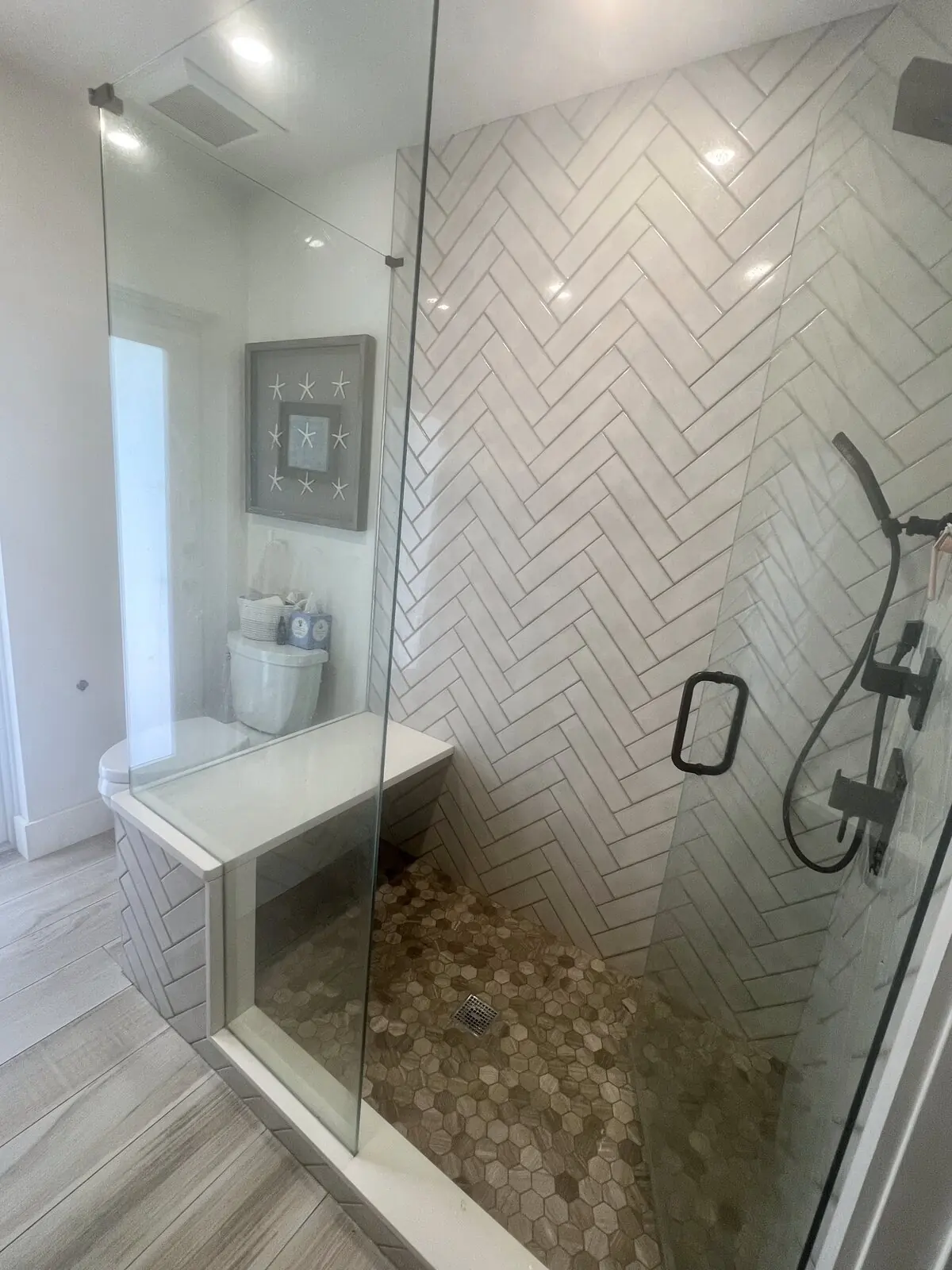
Interior projects like kitchen remodeling and bathroom remodeling are largely weather-independent once a crew is working inside — but that does not mean season is irrelevant. Consider these factors:
- January through March is when contractor schedules open up. Demand drops after the holiday rush, lead times shorten, and you are more likely to land your preferred crew and preferred start date. Material suppliers also run promotions on cabinets, tile, and fixtures in the slow season.
- Permit filing in November or December means you are already approved by the time the crew is ready to start in February. Filing in March when everyone else does means waiting until May or June for an approval.
- If your remodel touches plumbing — moving a sink, adding a wet bar, relocating a shower — plan around licensed plumbing inspection scheduling, which follows the same seasonal backlog patterns as general permits.
Additions, Extensions, and Second-Story Work
For home additions and extensions — whether you are adding a second story, an in-law suite, or a sunroom — the timeline from first conversation to completed structure is typically eight to fourteen months from scratch. Here is a realistic breakdown:
- Best time to start planning: August through October. Design, engineering, and permit filing in fall positions you for a spring construction start.
- Best time to break ground: April through June. The ground is thawed, concrete can cure properly, and you have the full summer ahead for framing and envelope work before November weather arrives.
- Additions that require cutting into the existing roof or opening exterior walls need dry weather windows. A job started in October on Long Island risks weather delays and moisture intrusion during framing — something experienced local contractors know to avoid.
The architecture and design phase alone — drawings, engineering stamps, zoning review — can take two to four months. Starting that process in fall means construction drawings are ready when spring labor opens up.
New Construction and Frame-to-Finish Builds
Ground-up residential and commercial frame-to-finish construction follows the same logic as additions but at larger scale. Foundation work — whether slab, crawl space, or full basement — requires soil temperatures above freezing and ideally above 40°F for proper concrete placement. On Long Island, that window runs reliably from April through November.
- Site clearing and demolition (see demolition services) can happen year-round if the ground is not frozen solid, but scheduling this for February or March keeps you ahead of spring traffic.
- Framing and rough-in work proceeds fastest in summer. A crew can typically complete a 2,000 sq. ft. residential frame in three to five weeks under good weather conditions.
- Interior finish work — drywall, flooring, trim, painting — is weather-independent and can run through winter once the structure is dried in.
HVAC Installations
As an authorized MRCOOL distributor and installer, we see clear seasonal patterns in ductless mini-split and heat pump demand. The practical advice: do not wait until July to schedule summer cooling, and do not call in December for emergency heat pump installs. Both windows are fully booked.
- February through April is ideal for installing mini-splits or upgrading to a DC inverter heat pump. Crews are available, lead times on equipment are short, and you are ready before the heat season.
- Combining HVAC work with a remodel or addition is almost always more cost-effective than scheduling it as a standalone project after the fact.
Modular Homes
If you are considering a custom modular home — ranch, cape, two-story, or raised ranch — the factory manufacturing phase is weather-independent, but the site work and set day are not. Plan to have the foundation complete and site accessible by late spring so your set day falls in May, June, or September, giving the crew the best possible conditions for crane work and module placement.
The Long Island Permit Reality
This point deserves its own section. Every town and village in Nassau and Suffolk County has its own building department with its own processing times and inspection schedules. Babylon Town, Huntington, Islip, and Brookhaven all differ. Some require architectural drawings stamped by a licensed NY engineer or architect; some have zoning board review steps for additions over certain square footages. Pulling permits late — or assuming the process is faster than it is — is the single most common reason Long Island projects stall mid-year.
The homeowners who have the smoothest experiences are the ones who start the permit process three to four months before they want construction to begin, not three to four weeks. A contractor with decades of local experience knows which departments move fast, which require extra documentation, and how to anticipate inspection scheduling so your project does not sit idle waiting for a sign-off.
A Note on Material Costs and Lead Times
Material costs on Long Island follow national trends with a regional premium — labor costs, transportation, and local code requirements for things like wind-rated framing in coastal zones all add to the baseline. Starting your project in the off-season (January to March for interior work) typically gives you better material availability and more contractor attention than a summer start when crews and suppliers are stretched. Financing options through our partner Enhancify — available with a soft credit check that does not affect your score — can also be locked in during the planning phase so there are no financial surprises when the project starts. See our financing page for details.
Serving Long Island and the Tri-State Area
Milton's Construction has been building and remodeling across Long Island, Suffolk County, and into New Jersey and Pennsylvania for 40 years. We know the permit offices, the seasonal rhythms, and the specific challenges of building in coastal and near-coastal zones. Whether you are planning a project for next spring or just starting to think through options, the best time to have that first conversation is now — before the spring rush fills our schedule.
Call us at (631) 741-0199 or request a free estimate online. We will walk through your project, give you realistic timelines, and help you plan a start date that works for your schedule and budget. No pressure, no obligation.

Founder of Milton's Construction. Four decades building and remodeling homes across Long Island. More about us →